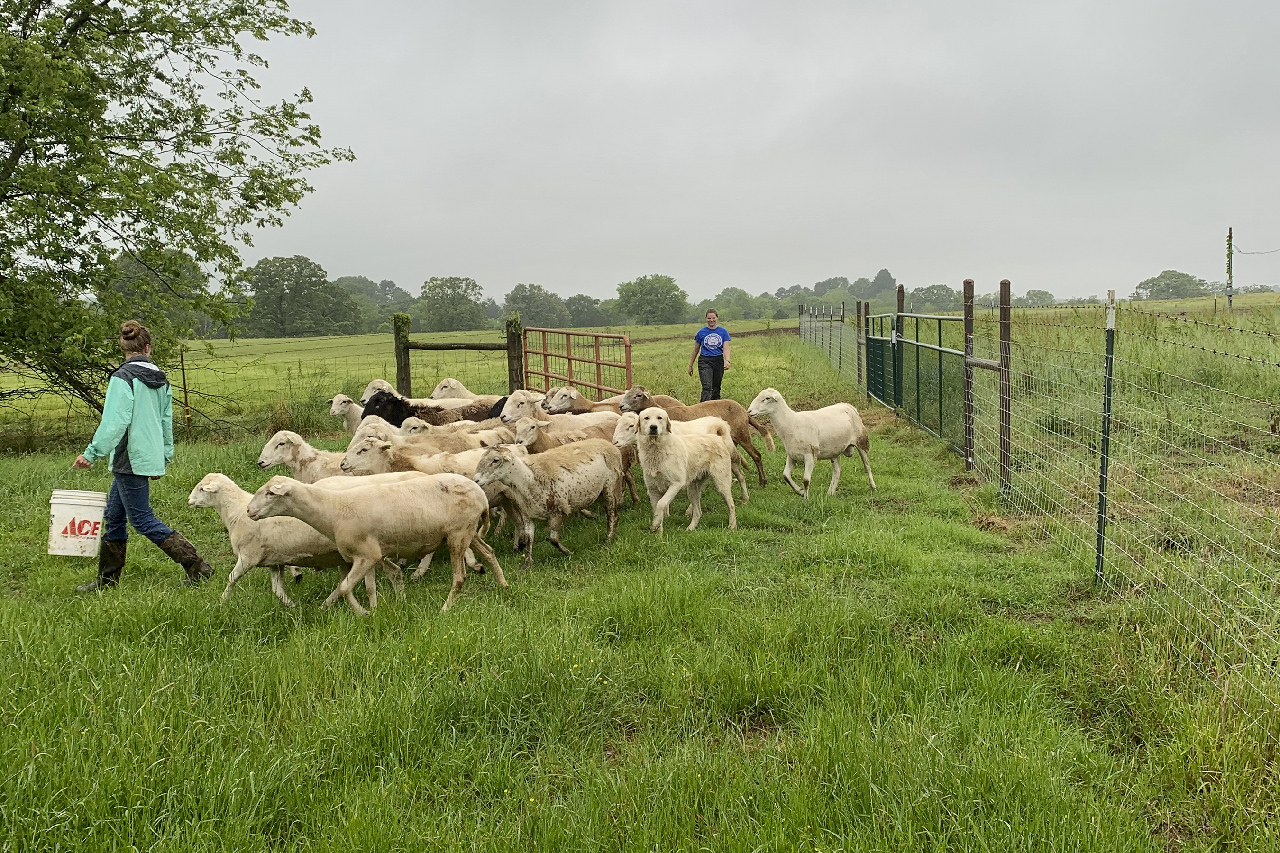
At Saturday’s Alabama Sheep and Goat Summit in Huntsville, Alabama Extension’s program pairs hands-on demonstrations with sessions on how to market animals and run a profitable farm. For an Alabama producer weighing whether to expand a flock or start a herd, those topics meet in a question that can outlast the event. What will it cost to feed the animals through the year? The Alabama Extension program lists animal health, biosecurity, management and marketing among the topics for Nov. 21.
Alabama Extension scheduled the free program for 8 a.m. to 3 p.m. Central, with the James I. Dawson Building Auditorium at Alabama A&M University listed as the venue. Before the summit, WAFF interviewed Extension specialist Felix Samuel about the program’s focus on herd and flock health, forage management and profitable farms. The university’s listing names the People’s Patch Madison County Community Farm as the demonstration site and lists rotational grazing and forage management on the program.
The U.S. Department of Agriculture’s Alabama inventory estimates put the state at 42,000 meat and other goats and 4,400 milk goats on Jan. 1, 2026. Those figures count animals across Alabama.
Put pasture and feed on the same budget
The Alabama Meat Goat Enterprise Budget gives a meat-goat producer two ways to look at the same sales estimate. Subtract variable costs such as feed to see what is left to cover fixed costs. Then subtract fixed costs such as depreciation and insurance to estimate the return after total costs. Extension advises replacing the template’s assumptions with the farm’s own figures.
The Alabama forage budgets approach the question from the land side. They offer separate per-acre estimates for grazing bermudagrass and making round-bale bermudagrass hay, for example. A producer considering more pasture can use those estimates to price out the acreage involved and then carry the relevant cost into the livestock budget. That makes it possible to see how a change in the way the farm feeds its animals would affect the return projected for the herd.